Stronger at Your Desk: Power Moves Without Equipment
Today we dive into no-equipment strength moves you can do at your desk, turning short breaks into energizing micro-workouts that sharpen focus and lift mood. Expect clear cues, quiet options, and tiny progressions that fit tight schedules, small spaces, and professional clothing. We will blend posture resets, isometrics, and controlled bodyweight drills so you feel steadier, taller, and more awake. Share your favorite sequence in the comments, invite a colleague to try a round, and let’s build momentum you can feel before the next meeting starts.

Set Up for Success in a Small Workspace
Clear a Safe Bubble

Before moving, slide the chair back, stabilize wheels, and check for cords, coffee cups, and backpacks. Test the desk for sturdiness with a gentle press. Make sure shoes won’t slip on your floor. A clear bubble turns hesitation into momentum, prevents awkward collisions, and keeps your attention on controlled technique. This small ritual takes seconds, yet dramatically reduces stress, allowing even brief strength bursts to feel purposeful, composed, and repeatable during any part of your workday.
Posture and Neutral Joints

Before moving, slide the chair back, stabilize wheels, and check for cords, coffee cups, and backpacks. Test the desk for sturdiness with a gentle press. Make sure shoes won’t slip on your floor. A clear bubble turns hesitation into momentum, prevents awkward collisions, and keeps your attention on controlled technique. This small ritual takes seconds, yet dramatically reduces stress, allowing even brief strength bursts to feel purposeful, composed, and repeatable during any part of your workday.

Breath, Bracing, and Focus

Before moving, slide the chair back, stabilize wheels, and check for cords, coffee cups, and backpacks. Test the desk for sturdiness with a gentle press. Make sure shoes won’t slip on your floor. A clear bubble turns hesitation into momentum, prevents awkward collisions, and keeps your attention on controlled technique. This small ritual takes seconds, yet dramatically reduces stress, allowing even brief strength bursts to feel purposeful, composed, and repeatable during any part of your workday.

Incline Push-Offs Against the Desk
Place palms on a stable desk, hands slightly wider than shoulders, body in a straight line from heels to head. Lower slowly for three counts, pause, then press back up for one strong count. Keep elbows angled about forty-five degrees, shoulders down, and ribs tucked. Adjust difficulty by stepping feet farther away. This quiet incline variation builds chest, triceps, and core tension without floor space, allowing swift sets between tasks. Track reps or time-under-tension to watch strength improve steadily.

Seated Triceps Press Without Loading the Chair

Sit tall near the front edge, feet planted. Press your palms firmly into the seat beside your hips without lifting your body, creating an isometric contraction through triceps and lats. Hold five to ten seconds, breathe steadily, then relax and repeat. Avoid rocking or stressing a rolling chair; lock wheels if possible. This focused press strengthens arm extension and shoulder stability in silence. Vary intensity by adjusting hand pressure, count tempo, or hold duration to maintain challenge without disrupting your workspace.

Lower-Body Strength You Can Sneak Between Emails
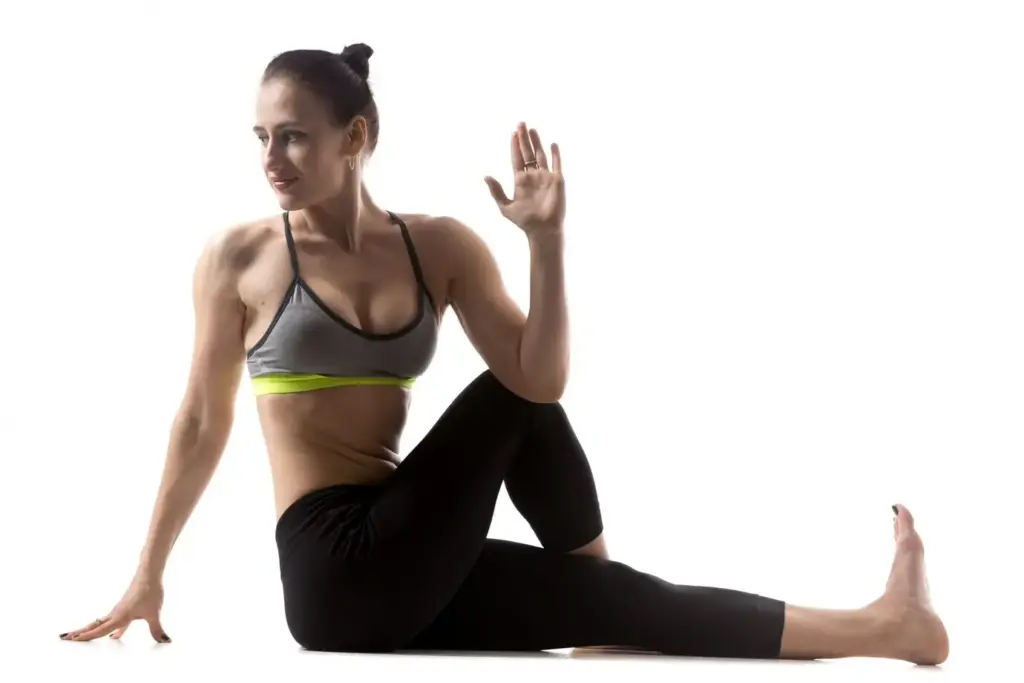
Legs respond well to tempo, depth control, and holds that require no extra gear. Chair squats build practical power for daily life. Wall sits challenge endurance without noise. Calf raises keep ankles lively and circulation humming. These simple moves fit neatly into ninety-second intervals, releasing restless energy and anchoring better posture. Keep your core braced, knees tracking over mid-foot, and steps deliberate. With consistent micro-sessions, you will stand taller, climb stairs easier, and feel more grounded during long desk days.

Core Stability That Supports Your Back While You Work

Your core loves brief, well-timed activations that stabilize the spine and refresh concentration. Bracing blends with breath to protect your back. Seated marches and holds train hip flexors and lower abs without fuss. Standing anti-rotation drills teach your torso to resist twisting forces from daily tasks. These movements are quiet, accessible in office attire, and quick to repeat. They make lifting bags, walking briskly, and sitting tall feel easier, translating small desk efforts into daily resilience beyond the keyboard and screen.

Seated Bracing With Box Breathing

Sit upright, feet grounded. Inhale through your nose for four, feel the belly and lower ribs expand. Hold four, exhale four, hold four. During the holds, gently brace your midsection as if tightening a supportive belt, yet keep shoulders relaxed. Repeat for several cycles. This pairing of breath and bracing coordinates diaphragm and deep core, creating a calm, protective foundation for any subsequent move. It also resets focus, making cognitive tasks feel clearer and sustained attention more comfortable.

Marching Holds for Hip Flexors and Lower Abs

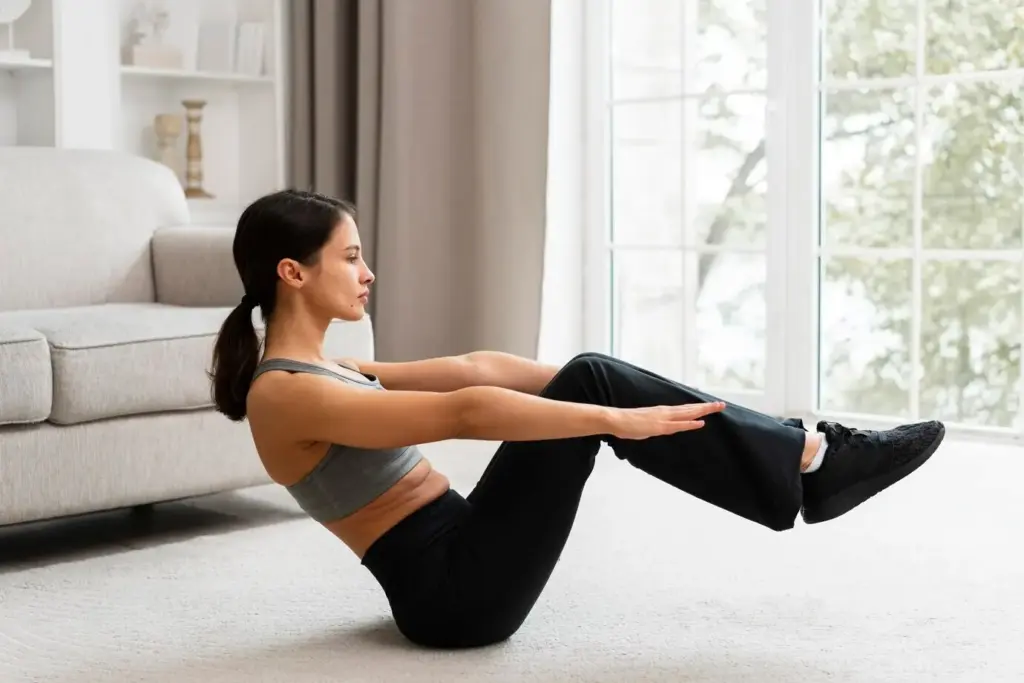
Sit tall near the chair edge, hands lightly on the seat. Lift one knee to hip height and hold three to five seconds without leaning back, then switch sides. Keep ribs stacked and lower back long. Progress by extending the hold or straightening the leg briefly. These controlled marches train hip flexors and lower abs to work cooperatively, reducing slouching and supporting upright posture. The quiet, precise nature of the drill makes it perfect between messages or while reading notes.

Standing Anti-Rotation With Hands Pressed Together

Stand tall, hands pressed together at chest height. Without twisting your torso, push one palm into the other and resist the urge to rotate. Hold five to eight seconds, breathe steadily, then switch directions. This simple isometric teaches your core to transmit force while staying square, useful for everyday lifting, turning, and carrying. It requires no gear, produces almost no noise, and creates a surprisingly strong midsection signal. Perform several holds, feeling deep stability without straining your neck or shoulders.

Posture, Mobility, and Recovery to Amplify Strength

Thoracic Extension Over the Back of the Chair

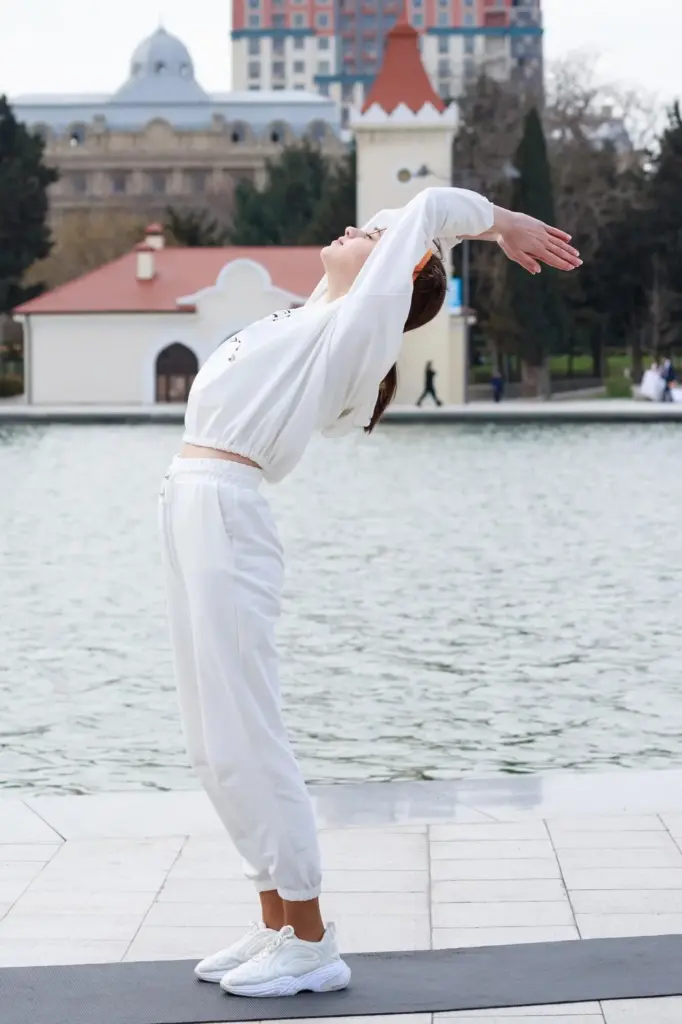
Sit back from the chair edge, interlace fingers behind your head, and gently lean your upper back over the chair’s top while keeping your lower ribs softly anchored. Take slow breaths, encouraging the chest to open without forcing the motion. Repeat for several waves, then return to tall sitting. This easeful extension counters hunching, prepares the upper back for pressing, and improves comfort at the keyboard. Done regularly, it helps every desk strength move feel more natural and less constrained.

Neck and Shoulder Reset Between Calls

Drop shoulders away from ears, draw gentle circles with your collarbones, then slide your chin slightly back to lengthen the back of your neck. Add a light ear-to-shoulder tilt while reaching the opposite fingertips toward the floor. Breathe calmly. These small resets unwind lingering tension from typing and meetings, improving awareness and alignment. They also enhance the signals to mid-back muscles you use during pressing and scapular work, making subsequent sets crisper, quieter, and more comfortable throughout your day.

Wrist and Forearm Care for Heavy Typing

Extend one arm palm up, gently pull the fingers back with the other hand, then palm down, repeating lightly. Follow with slow wrist circles and an easy forearm massage using your thumb. Keep pressure modest and breaths smooth. This brief routine improves comfort at the keyboard and steadies push variations at the desk. Over time, less tightness means more reliable technique, fewer compensations, and better confidence during quick micro-workouts. It is a tiny investment that pays off across every task.

Micro-Workouts, Habit Loops, and Progress Tracking

Two-Minute Blocks Across the Day

Choose one move per micro-block: morning incline push-offs, midday chair squats, afternoon bracing. Set a quiet timer, or piggyback the block onto a recurring task. Keep transitions seamless and clothing-friendly. Two minutes is long enough to spark change, short enough to protect focus. When calendars explode, do one minute. You will still accumulate meaningful work. The key is showing up frequently with clean form and composed breathing, letting repetition build strength, attention, and confidence without derailing productivity.

Progressions Without Equipment

Increase time-under-tension, slow the lowering phase, extend holds, or reduce rest between sets. Adjust body angle for desk presses, deepen wall-sit knee bend, or shift from double-leg to single-leg calf raises. These precise tweaks deliver challenge without adding gear or noise. By progressing only one variable at a time, you maintain control and notice improvements clearly. Write tiny goals you can hit today, then stack them weekly. This patient approach makes durability and strength feel inevitable, not intimidating or chaotic.

Track Wins, Share Results, Stay Accountable

Note today’s sets and how your body felt before and after. Celebrate a steadier posture on calls, fewer afternoon slumps, or a longer wall sit. Post your favorite sequence, ask questions, and encourage a colleague to join a quick round. Visible progress invites consistency, and friendly accountability makes hard days easier. When travel or deadlines disrupt routines, restart with one gentle block. Small wins stack quickly. Your desk becomes a place where strength grows quietly, supporting work and life together.
Vivatilenohumulipahoruko
Privacy Overview

This website uses cookies so that we can provide you with the best user experience possible. Cookie information is stored in your browser and performs functions such as recognising you when you return to our website and helping our team to understand which sections of the website you find most interesting and useful.