Breathe, Unwind, and Reclaim Your Screen‑Time Energy

Why Your Eyes and Body Tire at a Desk
01
Blink Less, Strain More
When attention narrows, blinking can drop by more than half, leaving the tear film patchy and glare more irritating. Screens invite you to stare; your eyes respond by locking down. Gentle breath cues soften that reflex. Combine nasal inhales with intentional, slow blinks every page or email, and your eyes regain moisture while the extra oxygen subtly steadies concentration without the jittery edge many chase with more coffee.
02
Neck and Upper Back Lockdown
Each inch your head shifts forward adds significant load to neck muscles, encouraging knots between the shoulder blades. Over time, the ribcage stiffens, the diaphragm has less room, and breathing creeps higher into the chest. Short, precise stretches that mobilize the thoracic spine and collarbone region restore movement quickly. Pair them with long, patient exhales and you’ll feel tension dissolve while your posture becomes easier and less effortful to maintain.
03
Breathing Shapes Vision
Breath rate and depth influence carbon dioxide balance, which in turn affects blood flow and the way eye muscles coordinate. Shallow, rapid breaths can make focusing feel more fragile and strain arrive sooner. Slow, diaphragmatic breathing steadies the system, nudging the body toward calm engagement. Practice low, quiet inhales through the nose and generous, unhurried exhales; notice how your gaze settles and your screen feels less harsh and demanding.


Stretching That Actually Helps
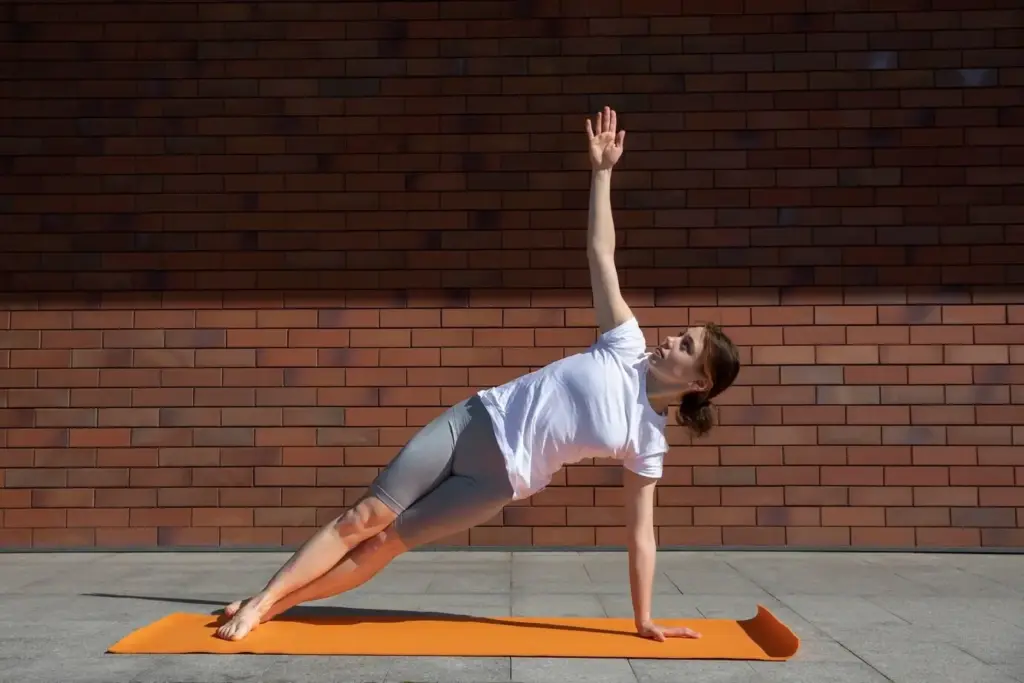
Neck Glide and Side Release

Open the Upper Back Over Your Chair
Microbreak Routines You Can Finish in Three Minutes
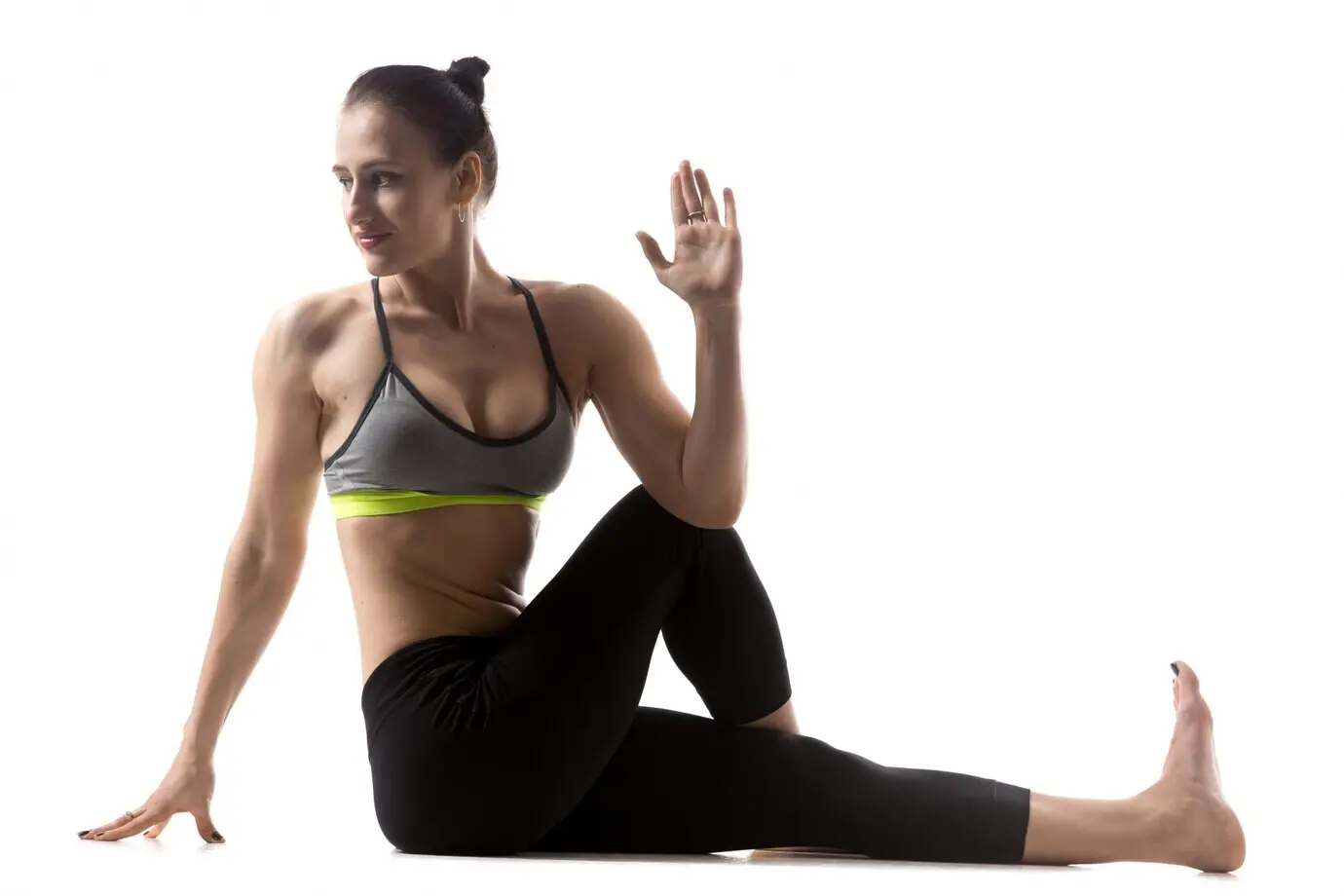
Build a Daily Rhythm That Protects Focus

Morning Primer for Clarity

Midday Unclench Without Losing Momentum
Real Stories, Gentle Science, and Your Next Challenge
All Rights Reserved.