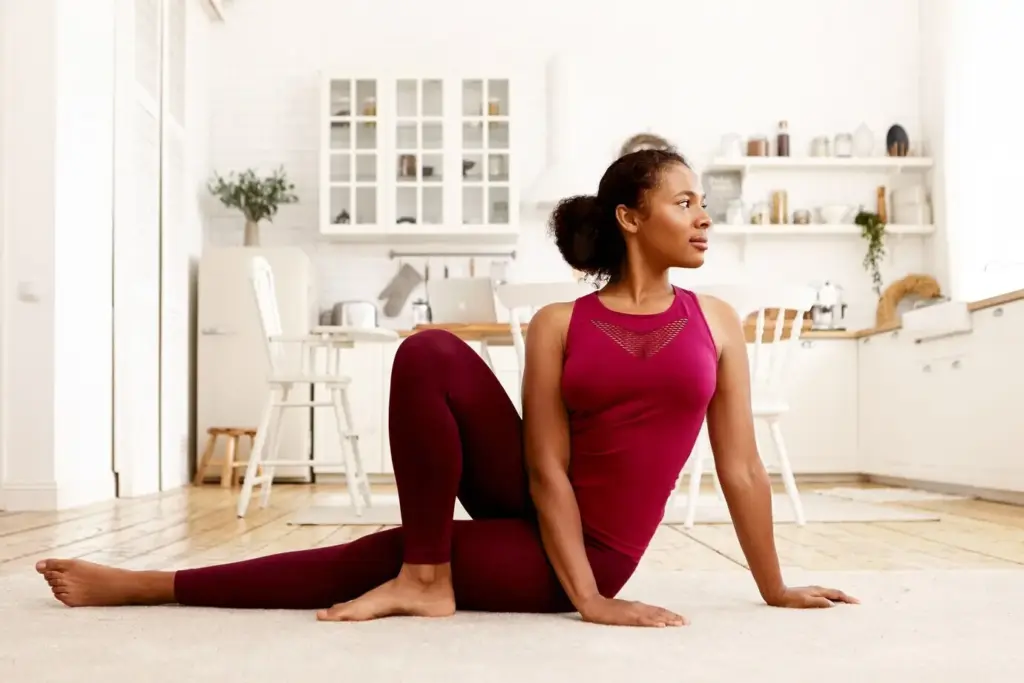
Move Together, Work Better
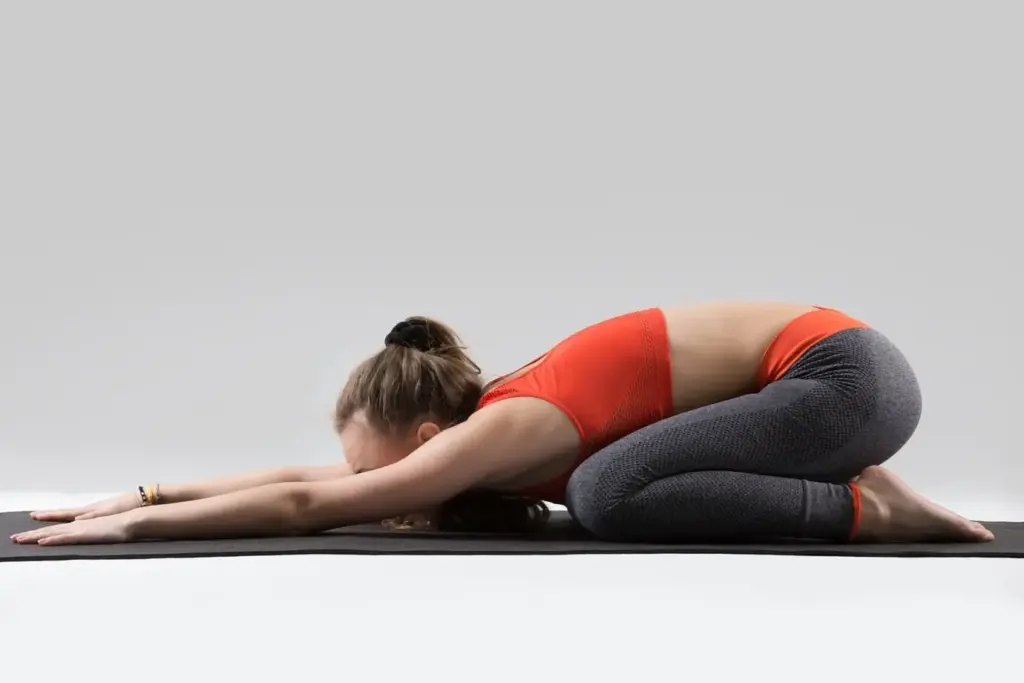
Today we are diving into team-based active break challenges for workplace wellness, turning tiny moments between tasks into energizing rituals that build connection, focus, and joy. Expect clear ideas, inclusive adaptations, and real stories that help your team move more, laugh often, and return to work refreshed. Share your favorite challenge and subscribe for weekly prompts that keep momentum alive.

Why Movement Belongs in Meetings

Brief, shared movement resets attention, oxygenates the brain, and eases desk-bound tension, yet it also strengthens trust when colleagues participate together. Instead of draining marathons, meetings gain rhythm and clarity after a playful pause. Teams report lighter moods, fewer aches, and faster decisions after consistent microbreaks, proving that sustainable energy is built in small, respectful, collective steps.
Research across ergonomics and cognitive psychology shows that 30 to 120 seconds of gentle movement can reduce musculoskeletal strain and restore executive attention. When practiced together, the social cue to move increases follow-through, while playful variety keeps motivation high without adding noticeable time to the workday.
Humans mirror peers. When a colleague smiles and rolls shoulders, others quickly copy, normalizing healthy behavior. Team challenges transform intention into action by adding belonging, accountability, and humor. The small burst becomes a shared ritual, turning isolated desks into a supportive micro-community that sustains change.
In one office, the 11:30 stretch huddle began as a calendar joke. Two weeks later the team noticed calmer calls, fewer coffee runs, and friendlier handoffs between roles. Their manager simply asked, What helped today, then captured one sentence to remind everyone tomorrow.

Getting Started Without Awkwardness

Light, respectful framing makes participation feel safe rather than performative. Invite experiments, not perfection. Offer camera-optional participation, seated variations, and clear opt-out language. Keep breaks brief and predictable so calendars and comfort levels align, helping hesitant teammates discover genuine ease, not forced enthusiasm or competitive pressure.

Set Gentle Norms

Agree on simple guardrails: anyone may pass, movements should be pain-free, and professional attire stays respected. A facilitator offers invitations, not commands. By decoupling participation from performance reviews and attendance metrics, the group signals care, autonomy, and dignity from the very first minute.

Pick Inclusive Movements

Choose actions that work in small spaces and diverse bodies, like ankle rolls, neck stretches, seated marches, or wall push-ups. Provide seated and standing options every time. Encourage listening to individual limits so the practice feels welcoming to colleagues across ages, abilities, and roles.

Use Timers and Cues

Microbreaks thrive on predictability. Add a gentle chime to the calendar, a chat bot reminder, or a rotating host who cues the start. Keep segments under two minutes, bookend meetings with motion, and steadily weave movement into routines people already trust.

Challenge Ideas That Spark Smiles
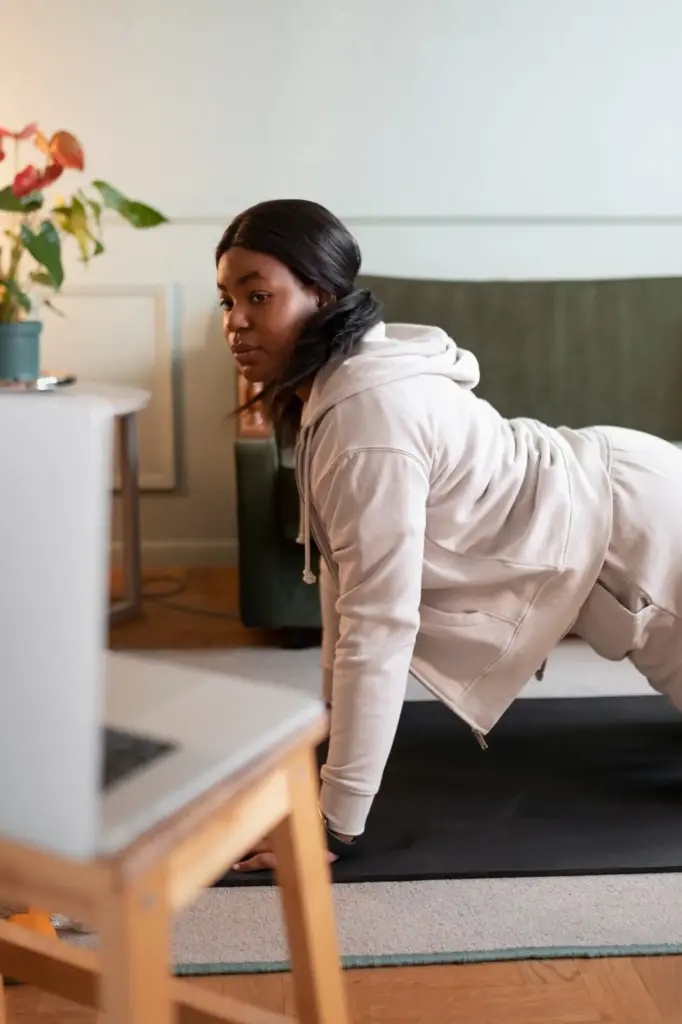
Playfulness drives participation. Mix collaborative and personal goals so everyone contributes without pressure. Rotate focus across mobility, breath, and light cardio. Keep rules simple, celebrate tiny wins loudly, and pause regularly to ask what feels fun, useful, or tiring, then adjust together without blame.

Design for Hybrid and Remote Teams

Distance should never cancel belonging. Build activities that work on phone audio, low bandwidth, and tiny apartments. Provide captions or transcripts, allow camera-off comfort, and post asynchronous prompts. Participation rises when movement fits real life rather than asking real life to bend around movement.

Safety, Accessibility, and Consent

Wellbeing grows where autonomy is honored. Encourage people to consult healthcare providers when needed, respect pain signals, and choose movements that feel safe today. Provide adaptations, gradual intensity, and rest options. The goal is steady comfort and inclusion, never heroics, competition, or one-size-fits-all expectations.

Metrics that Motivate, Not Intimidate

Numbers should inspire reflection, not fear. Track participation streaks, average break duration, and collective minutes moved, then discuss how people feel. Pair data with stories to reveal stress trends and morale boosts. Recognize consistency and kindness, and avoid leaderboards that overshadow psychological safety.

Sustaining Momentum Over Months

Seasonal Series

Build quarterly arcs like Spring Stretch Bloom, Summer Step Splash, Autumn Breath Reset, and Winter Warm Mobility. Each month adds a tiny twist, preventing boredom while keeping the core familiar. Seasonal framing gives teams permission to restart, re-engage, and celebrate fresh beginnings together.

Peer Champions

Rotate volunteer captains who cue breaks, model modifications, and gather feedback. Provide a starter kit with scripts, playlists, safety tips, and accessibility notes. Sharing leadership keeps energy resilient through vacations, hiring waves, and deadlines, because many small sparks sustain one bright, welcoming flame.

Reflect and Refresh

Hold a monthly retrospective that celebrates highlights, retires stale prompts, and surfaces accessibility needs. Use a two-minute pulse survey and one open-ended question. Share a short montage of wins so newcomers feel invited, while veterans reconnect with the deeper purpose behind daily movement.
Vivatilenohumulipahoruko
Privacy Overview

This website uses cookies so that we can provide you with the best user experience possible. Cookie information is stored in your browser and performs functions such as recognising you when you return to our website and helping our team to understand which sections of the website you find most interesting and useful.