Find Your Rhythm at the Standing Desk

Today we explore Standing Desk Intervals: Alternating Movement and Focus, a practical rhythm that cycles your body through brief movement bursts and protected concentration. Expect energizing micro-breaks, smarter posture, and steadier output, supported by simple rituals, ergonomic tweaks, and evidence-informed strategies that make healthy work feel natural, sustainable, and refreshingly productive.

Why Alternating Movement Works

Switching between intentional movement and concentrated work supports circulation, stabilizes posture, and refreshes attention. Gentle activity during short windows lowers stiffness and restlessness, while focused sprints protect mental bandwidth. Together they create a cadence that reduces fatigue, encourages progress on meaningful tasks, and keeps motivation stable across long, demanding days.

Designing Your Interval Blueprint

Start with simple ratios and evolve through experimentation. Many people like 25 minutes focused, 5 minutes moving; others prefer 40 and 10, or the classic 52 and 17. Match durations to task complexity, personal chronotype, and deadlines, then review weekly. Your blueprint should feel kind, realistic, and easy to resume after interruptions.

Start with Gentle Ratios

Pick a cadence that feels almost too easy so you actually keep it. Try two or three cycles of 25 minutes attention and 5 minutes light movement. If legs tire, shorten standing segments. If thoughts wander, slightly trim work blocks. Favor momentum over intensity, since compounding adherence builds confidence and measurable progress.

Match Tasks to States

Schedule deep writing, design, or analysis for your sharpest mental windows. Place administrative tasks after movement when alertness rises but stakes are lower. Reserve calls for seated or supported standing to minimize fidgeting. Align task difficulty with your energy curve, and use movement breaks to reset mood before returning to demanding cognitive work.

Adjust with Weekly Experiments

At week’s end, look for moments that dragged or soared. Nudge block lengths by five minutes, swap late-day movement to mobility, or add a midmorning walk. Keep one variable steady while testing another. Document what felt energizing, neutral, or draining, and carry forward only changes that improved comfort, output, or focus quality.

Movement You Can Do Between Emails

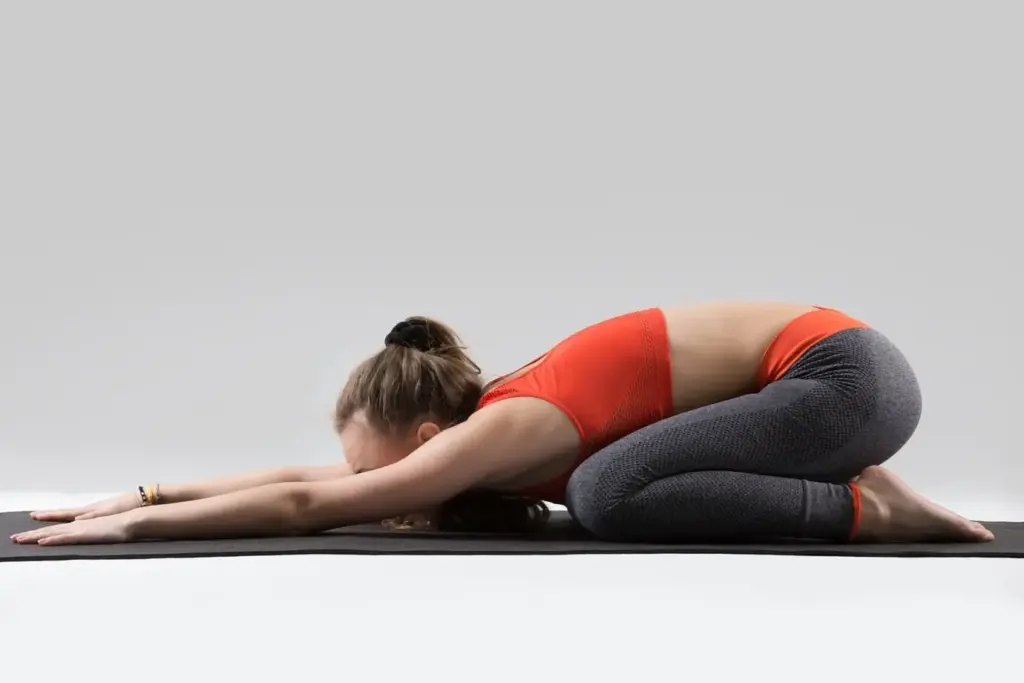
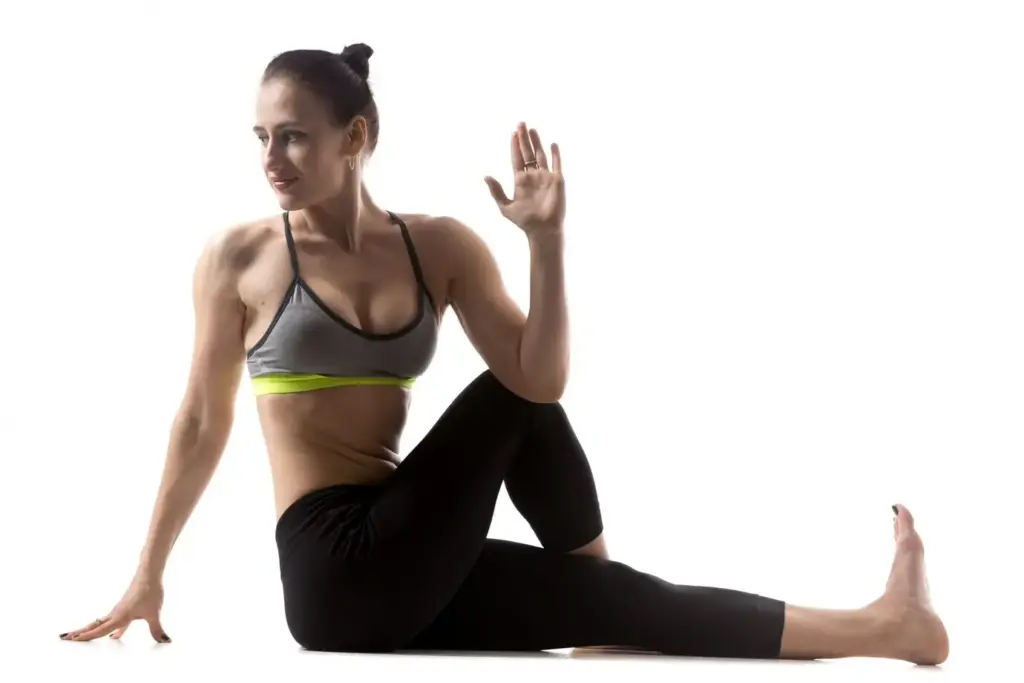
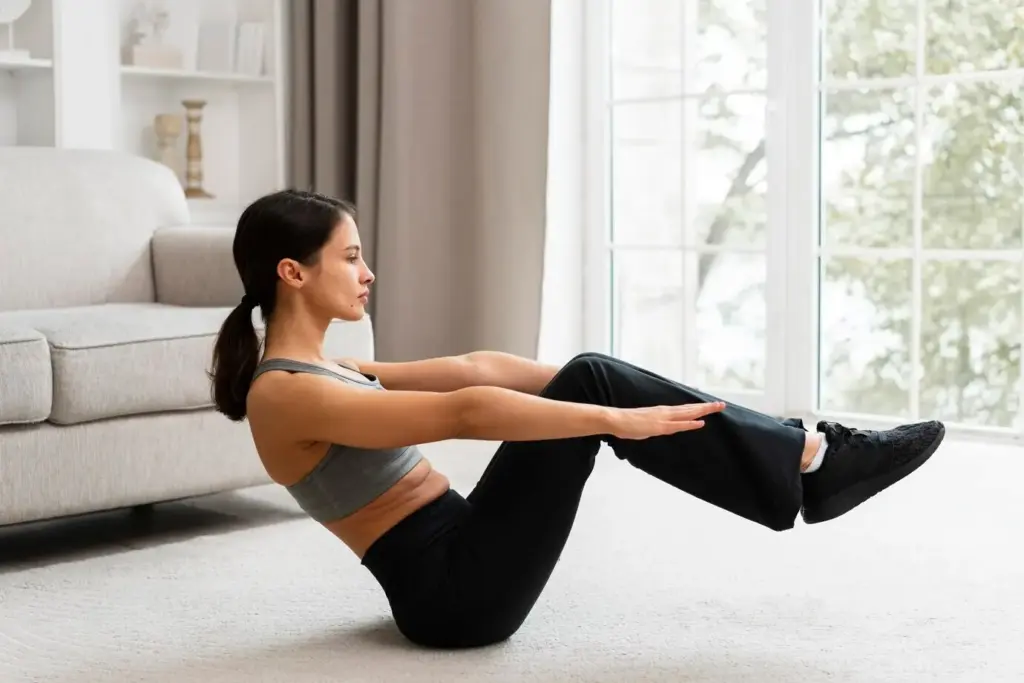
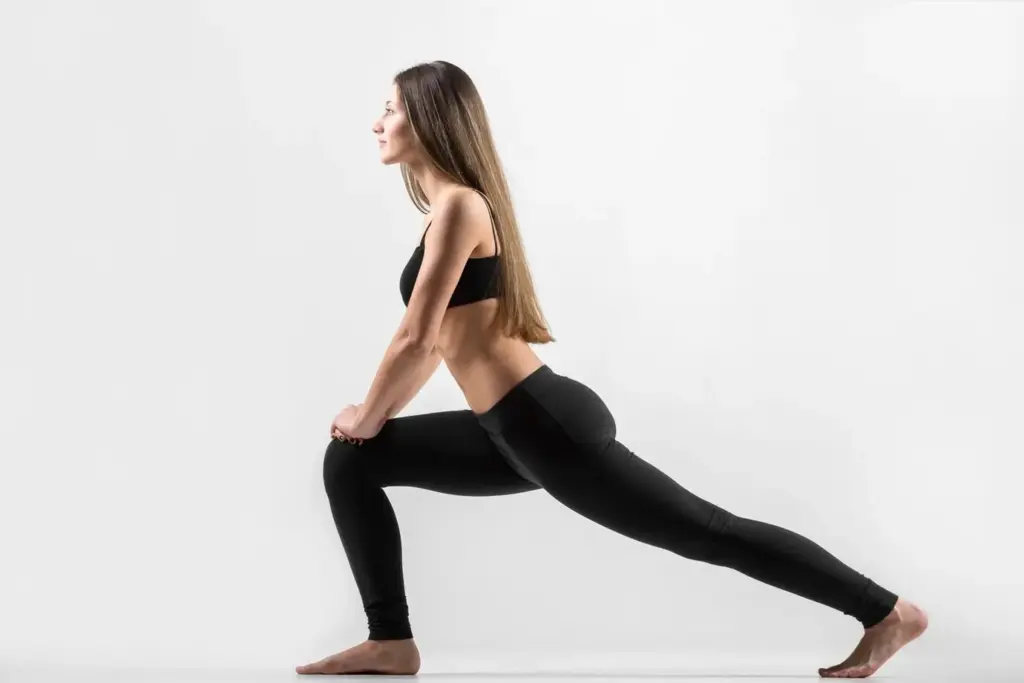
Micro-movements prevent stiffness without derailing momentum. Think calf raises, ankle circles, shoulder CARs, hip openers, gentle spinal mobility, or a slow hallway lap. Keep intensity low enough to avoid sweat, but purposeful enough to refresh tissues. Over time, a personal movement menu becomes a reliable antidote to aches and restless fidgeting.

Protecting Deep Focus

Create a Start Ritual

Signal the brain that important work begins: clear the desk, place water within reach, set your interval timer, and read your one-sentence intent. This predictable sequence reduces dithering, narrows attention, and turns beginning into a satisfying trigger that makes continuing easier than drifting toward low-value busywork.

Guardrails that Keep You In

Signal the brain that important work begins: clear the desk, place water within reach, set your interval timer, and read your one-sentence intent. This predictable sequence reduces dithering, narrows attention, and turns beginning into a satisfying trigger that makes continuing easier than drifting toward low-value busywork.

Closing the Loop Gracefully

Signal the brain that important work begins: clear the desk, place water within reach, set your interval timer, and read your one-sentence intent. This predictable sequence reduces dithering, narrows attention, and turns beginning into a satisfying trigger that makes continuing easier than drifting toward low-value busywork.

Ergonomics That Support the Plan

Start with forearms parallel to the floor, wrists straight, shoulders relaxed, and screen top near eye level. If your lower back complains, raise the work surface slightly and soften knee lock. Maintain a light tripod stance, shifting weight often. These details turn standing into effortless support for long, creative stretches of work.
Rotate between supportive shoes and an anti-fatigue mat to vary pressure. Occasionally stand barefoot for gentle foot activation, then return to cushion. If arches tire, massage with a ball during breaks. Small foot comforts compound into significant endurance, keeping hips happier and reducing the subtle fidgeting that distracts attention from meaningful tasks.
Place a sticky note with cue words like breathe, lengthen, soften knees, and sip water. Keep a lacrosse ball, light band, and towel within reach. Make the easiest choice the healthy one. Triggers scattered thoughtfully around your workspace turn good intentions into automatic actions that maintain comfort and consistent focus.

Tracking, Community, and Momentum

Simple tracking helps you see patterns, celebrate wins, and stay accountable with kindness. Log block lengths, movement choices, and focus quality. Share experiments with a colleague or online group. Invite feedback and questions below, and subscribe for new interval ideas. Momentum thrives when progress is visible and shared.
Vivatilenohumulipahoruko
Privacy Overview

This website uses cookies so that we can provide you with the best user experience possible. Cookie information is stored in your browser and performs functions such as recognising you when you return to our website and helping our team to understand which sections of the website you find most interesting and useful.