Breathe, Unwind, and Reclaim Your Screen‑Time Energy

Hours in front of screens can drain your eyes, neck, and focus. Today we dive into breathwork and stretching to reduce screen fatigue, blending simple science with short, doable routines you can use anywhere. Expect quick resets, kinder posture, calmer vision, and sustainable energy throughout demanding days. Try the flows, share your favorites in the comments, and tell us what changes first—your headaches, your mood, or the way your shoulders finally drop away from your ears.

Why Your Eyes and Body Tire at a Desk

Digital work loads tiny systems with big demands. Blink rates fall, tear film dries, and focus muscles grip. Shoulders ride up, the neck leans forward, and shallow mouth breathing nudges the nervous system toward constant alertness. Understanding these mechanics isn’t about guilt; it’s about leverage. When you see how breath influences vision and posture influences breath, quick, targeted resets become realistic, repeatable, and surprisingly satisfying during even the busiest schedule.

01

Blink Less, Strain More

When attention narrows, blinking can drop by more than half, leaving the tear film patchy and glare more irritating. Screens invite you to stare; your eyes respond by locking down. Gentle breath cues soften that reflex. Combine nasal inhales with intentional, slow blinks every page or email, and your eyes regain moisture while the extra oxygen subtly steadies concentration without the jittery edge many chase with more coffee.

02

Neck and Upper Back Lockdown

Each inch your head shifts forward adds significant load to neck muscles, encouraging knots between the shoulder blades. Over time, the ribcage stiffens, the diaphragm has less room, and breathing creeps higher into the chest. Short, precise stretches that mobilize the thoracic spine and collarbone region restore movement quickly. Pair them with long, patient exhales and you’ll feel tension dissolve while your posture becomes easier and less effortful to maintain.

03

Breathing Shapes Vision

Breath rate and depth influence carbon dioxide balance, which in turn affects blood flow and the way eye muscles coordinate. Shallow, rapid breaths can make focusing feel more fragile and strain arrive sooner. Slow, diaphragmatic breathing steadies the system, nudging the body toward calm engagement. Practice low, quiet inhales through the nose and generous, unhurried exhales; notice how your gaze settles and your screen feels less harsh and demanding.


Breathwork Essentials for Quick Relief

Stretching That Actually Helps

Effective stretching for screen time targets the right spots in the right order: eyes relax, jaw unclenches, neck decompresses, shoulders glide, and the upper back reopens. Skip aggressive tugging; aim for gentle length with easy breathing. When stretches feel friendly, your nervous system grants permission to release. These brief sequences fit into microbreaks, travel days, or long coding sessions, keeping you comfortable without needing a full workout or specialized equipment nearby.

Neck Glide and Side Release

Sit tall. Glide the chin straight back to align the head, then tilt one ear toward the shoulder without lifting the shoulder. Breathe low and long, letting the opposite side of the neck lengthen. Add a gentle diagonal nod to explore tight fascial lines. Sixty to ninety seconds per side is plenty. Keep the jaw soft, lips lightly sealed, and let exhales invite a little more space with every quiet repetition.

Open the Upper Back Over Your Chair

Scoot forward, place your shoulder blades against the chair back, interlace fingers behind your head, and gently lean over the top edge to extend the mid‑spine. Treat it like a yawn for your ribs. Inhale to lengthen, exhale to relax. Five to eight slow cycles create generous relief. If comfortable, aim elbows slightly upward to broaden the chest. Finish with a tall posture check, noticing how breathing feels deeper and easier.

Microbreak Routines You Can Finish in Three Minutes
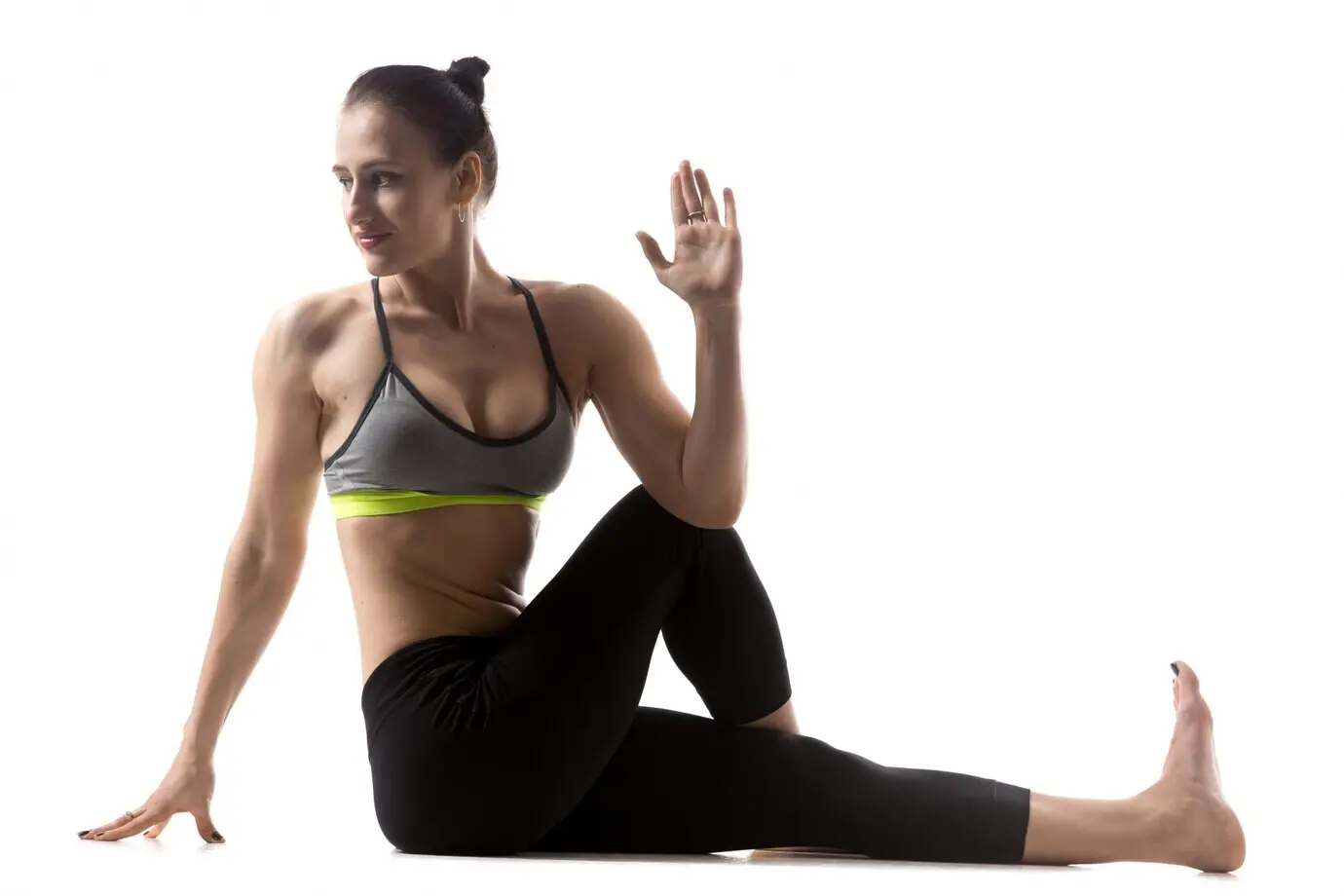
Long sessions demand short, reliable resets. Microbreaks prevent tension from snowballing and sharpen clarity without derailing momentum. Set a gentle timer or link breaks to natural transitions—sending a file, finishing a meeting, or closing a tab. Each routine blends breath, mobility, and posture cues you can perform in any workspace. Think consistency over intensity; small, frequent deposits of recovery outperform occasional heroic sessions that arrive long after discomfort appears.

Build a Daily Rhythm That Protects Focus

Comfort compounds when routines align with your day. Think bookends and bridges: morning practices that set tone, midday resets that prevent crashes, and evening rituals that restore depth to sleep. None require perfection; they reward attention. By linking breathwork and stretching to existing habits—coffee brewing, meeting transitions, shutdown rituals—you create a dependable rhythm that resists fatigue, keeps mood steadier, and makes screen time feel purposeful rather than punishing.

Morning Primer for Clarity

Before you open messages, take three minutes: nasal diaphragmatic breathing, light thoracic extension over a chair, and gentle neck glides. Bright daylight at a window helps anchor your body clock, easing eye strain later. Set one intention: slower exhales whenever shoulders creep upward. This quiet primer creates a margin of calm that often lasts through your first deep work block and makes interruptions feel less jarring, less personal, and more manageable.

Midday Unclench Without Losing Momentum

Between meetings, run a fast loop: two physiological sighs, wrists and forearms reset, and a standing hip flexor stretch while breathing slowly. Keep it under five minutes. You will return sharper, not sleepy, because you lowered unnecessary tension rather than smashing the accelerator. If possible, add a short walk to the window for distance viewing. Your eyes, neck, and focus will thank you for this deliberate, confidence‑building pause.

Real Stories, Gentle Science, and Your Next Challenge

People change when techniques feel doable and results appear quickly. Designers report fewer headaches, analysts feel steadier under deadlines, and developers notice wrists that no longer throb by midweek. The science is simple: breathe lower and slower, move joints kindly, look far often. Your challenge is to test it. Pick one breath protocol, one stretch sequence, and one microbreak. Track for seven days and share what surprised you most.
Vivatilenohumulipahoruko
Privacy Overview

This website uses cookies so that we can provide you with the best user experience possible. Cookie information is stored in your browser and performs functions such as recognising you when you return to our website and helping our team to understand which sections of the website you find most interesting and useful.